Section 1: The Present Landscape
In the world of drinks In the world of beverages, a slow revolution is happening, and it’s reshaping the way we enjoy our beverages. The norm of alcoholic drinks being the most popular choice for social gatherings are seeing a dramatic shift with a particular focus on Europe, particularly in the European Union (EU) and the United Kingdom (UK). Non-alcoholic or alcohol-free spirits are carving a niche for themselves on the market, and their expansion is remarkable.
A Market Booming
The market for alcohol-free spirits across the EU and the UK has seen a rapid growth. The days of non-drinkers or those looking for more healthful alternatives were restricted to sparkling water or sugary soft drinks. Nowadays, a wide selection of alcohol-free spirits graces the shelves of bars and supermarkets catering to a customer base who demands elegance without alcohol.
Forecasts, Market Size and Growth
To understand the scope of this shift, take a look at some numbers. Recent market studies have shown that EU as well as the UK alcohol-free spirit market is expected rise to the value of [bold]a billion[/bold] when [bold]20XX[/bold] is completed. This isn’t an anomaly, but rather an indication of the changing trends in consumer behavior.
The Key Player and Their Contributions
The market’s ascent owes much to the trailblazing efforts of key players like [bold]Seedlip[/bold], [bold]Borrago[/bold], and [bold]Lyre’s[/bold], among others. These companies have elevated the art of making spirits that are alcohol-free to new heights and have created drinks that capture their essence in traditional spirits, but without the alcohol content.
New Brands, Consumers’ Preferences, and the Emerging Markets
The increase in alcohol-free spirits is directly tied to changing consumer tastes. Nowadays, consumers are more conscious of their health and discerning as well as socially conscious. They are looking for beverages that align to their values. alcohol-free spirits meet the criteria perfectly. Additionally, consumers are looking for unique, palate-pleasing alternatives to traditional alcoholic beverages.
Since the rise in consumer demand as a plethora of new brands have sprung up in order to satisfy the increasing demand. These brands are marked by their authenticity, creativity, and a steadfast commitment to quality.
Interesting Possibilities
The rapid growth of this market, fueled by changes in consumer behavior is a fascinating opportunity for businesses who want to tap this EU as well as the UK the alcohol-free spirits markets. The potential is enormous but in order to leverage it effectively, one has to first know the driving forces to this astonishing transformation.
In the coming section we’ll look at these forces that drive the market, and explore the causes behind the increase of alcohol-free spirits, and what is the impact for businesses who want to take advantage of this exciting field.
In Section 1 We’ve laid the groundwork by introducing the current landscape in the EU and UK alcohol-free spirits market. We’ve examined the size of this market important players, its structure and the shifting preferences of consumers. In Section 2, we will deep dive into the driving factors behind this market’s remarkable growth.

What’s driving the explosive expansion in the EU as well as UK alcohol-free spirit Market?
Part 2: Uncovering the Forces Driving Forces
In our previous post we went on an exploration of the growing market for alcohol-free spirits throughout and around the EU also in the UK. The market’s rapid growth provides an unambiguous picture of its potential. But what’s driving this transformation? In this segment, we’ll delve deep into the key factors driving this huge industry.
1. Well-being and Health Trends
AstonishingHealth-conscious consumers are reconsidering their drink choices. Bold Concerns about the harmful effects of alcohol on health have prompted people to search for alternatives that let them enjoy a drink without compromising their health. Alcohol-free spirits meet the needs of the increasing number of people who are seeking a satisfying and safer option. It is no surprise that terms like “low ABV” (alcohol by volume) and “zero-proof” have become buzzwords in health and wellbeing spheres, signalling an important shift in consumers’ choices.
2. Social Dynamics Changing Social Dynamics
As society evolves, so do our social dynamics. Traditions of heavy drinking as the mainstay of social events are becoming less common. The modern society is embracing greater diversity and more inclusive experiences. Alcohol-free beverages allow everyone to enjoy the celebrations and not feel left out. They encourage a sense inclusivity that aligns with the contemporary ethos of socializing.
3. The Rise of Mixology and Craft Cocktails
ItalicCraft the art of mixing cocktails has become a global phenomenon. Italic The art of mixing has expanded beyond alcohol drinks, with bartenders, as well as enthusiasts, exploring the creative potential of spirits that are alcohol-free. Innovative and delicious cocktails are created, which redefines what a cocktail can be. The variety of these spirits lets mixologists play in a wide variety of flavors, resulting in the creation of a variety of non-alcoholic drinks.
4. Support for Regulatory Reform
Regulations and policies of the government have a major role to play in the development of industries. In recent years, the regulatory bodies in the EU and the UK have demonstrated a willingness to support and accommodate the expansion of alcohol-free spirit. This includes clearer labels, which allows these products to be more transparent about their ingredients and the benefits. This will help to build trust among the consumers.
5. Environmental and ethical issues
The search for sustainability along with ethical and responsible consumption has become no longer a fringe trend and is now a global trend. Alcohol-free spirits often align with these concerns. They are made using less carbon footprint compared to traditional spirits and are generally vegan-friendly. A commitment to ethical practices in the source of ingredients and fair trade guidelines improve their appeal.
6. Growing Taste Preferences
Consumers’ tastes have evolved, seeking distinctive and varied flavors. Alcohol-free spirits have responded to this call with a wide array of options. From botanically-infused options to alcohol-free whiskeys that replicate the smokey notes of the original, these spirits cater to the sophisticated palate. People aren’t willing to compromise on flavor and spirits that are alcohol-free have responded to the occasion.
7. Marketing and branding
Effective branding and marketing has been instrumental in spreading awareness about spirits that are alcohol-free. Brands that effectively promote their products’ quality in taste, quality, and health advantages have been successful. Creative marketing campaigns and endorsements from celebrities have impacted more people, creating curiosity and boosting sales.
8. Accessibility
The ease of access to alcohol-free spirit has increased in significant ways. They can be found in bars, restaurants, and in retail stores. Shopping online has also played a key role in facilitating these products to consumers, regardless of their whereabouts.
9. Competitive Pricing
As the demand for spirits has increased, competition has gotten more intense. This has resulted into competitive pricing, making alcohol-free spirits an affordable option for a broader range of consumers.
What’s Next?
As we’ve learned, several elements are driving the rapid growth of the EU and UK alcohol-free spirit market. In the next segment we’ll explore the issues and opportunities businesses should expect to face as they navigate this dynamic marketplace.
In the second section, I’ve discussed the forces driving the increase in alcohol-free spirits in the EU and the UK. In Section 3, we will look at the challenges and opportunities that companies in this industry are likely to confront.
Direct Deals for Discerning Retailers: Order Your Alcohol-Free Spirits from Swedish Distillers!
Understanding the Opportunities and Challenges in the EU and UK Alcohol-Free Spirit Market
Section 3: Way Ahead
In the previous sections we’ve examined the remarkable expansion and the main drivers that drive these trends in the EU and UK alcohol-free spirit market. It’s clear that the industry is growing, but what lies ahead? In this segment we’ll discuss the obstacles and opportunities companies in this industry are likely to encounter.
Challenges
1. Regulatory Hurdles
While support for regulatory reform has been a significant driver in the development of regulations, navigating through the ever-changing world of regulations can be a challenge. Staying compliant with labeling requirements as well as ensuring a responsible marketing of alcohol-free drinks is essential. This means that businesses must remain vigilant about any regulatory updates.
2. Consumer Education
Many consumers are still unacquainted about the concept of alcohol-free spirits. Making sure potential customers are aware of their benefits, flavours, and the variety of these products is crucial. Brands should invest in marketing campaigns that emphasise the benefits of their offerings.
3. Competition
While the marketplace continues to grow and competition grows, so does the competition. Companies must be able to differentiate themselves as well as continuously improve their products to remain relevant. This involves developing new flavors, improving packaging, and exploring unique distribution channels.
4. Scaling Production
To meet the growing demands for spirits that are alcohol free may be difficult for smaller producers. Scaling production while maintaining the highest quality is essential to stay up with market demand.
5. Perceived Taste and Quality
Overcoming the perception that alcohol-free spirits might lack the depth of flavor and the same quality as alcohol-based spirits remains a challenge. Brands must invest in studies and research to develop products that can compete with alcohol-based counterparts in taste and quality.
Opportunities
1. Diverse Flavor Profiles
The demand for distinct flavors presents a substantial chance. Brands have the opportunity to experiment with various exotic and novel ingredients to develop unique and attractive alcohol-free spirits.
2. Health and Wellness Focus
The constant effort to stay in tune with the latest trends in health and wellness is a huge chance. Brands have the ability to leverage the positive health benefits of alcohol-free drinks which include reduced calories and less hangovers when it comes to their marketing strategies.
3. Collaborations and Mixology
Collaborations with restaurants, bars and mixologists may help introduce spirits that are alcohol-free to an even wider audience. Brands can work with experts to create innovative and delicious non-alcoholic cocktail recipes.
4. Sustainability
Incorporating sustainability and ethical the sourcing of products can be a important selling point. The public is increasingly drawn to items that align with their values.
5. Direct-to Consumer Sales and E-commerce
Thanks to the increasing popularity of ecommerce it is possible for brands to expand their reach beyond physical stores. A strong online presence and offering direct-to-consumer purchases can be an important game changer.
What’s Next?
As we’ve seen, direction for businesses operating who operate within the EU and UK alcohol-free spirit market is filled with the possibility of exciting and challenging challenges. In the next article, we’ll look at strategies to excel in this constantly changing environment while ensuring your business is always ahead of the curve.
For Section 3, we’ve explored the challenges and opportunities for businesses in that EU as well as the UK spirits market that are alcohol free. In Section 4 we’ll discuss strategic strategies to stand out in the fast-growing industry.
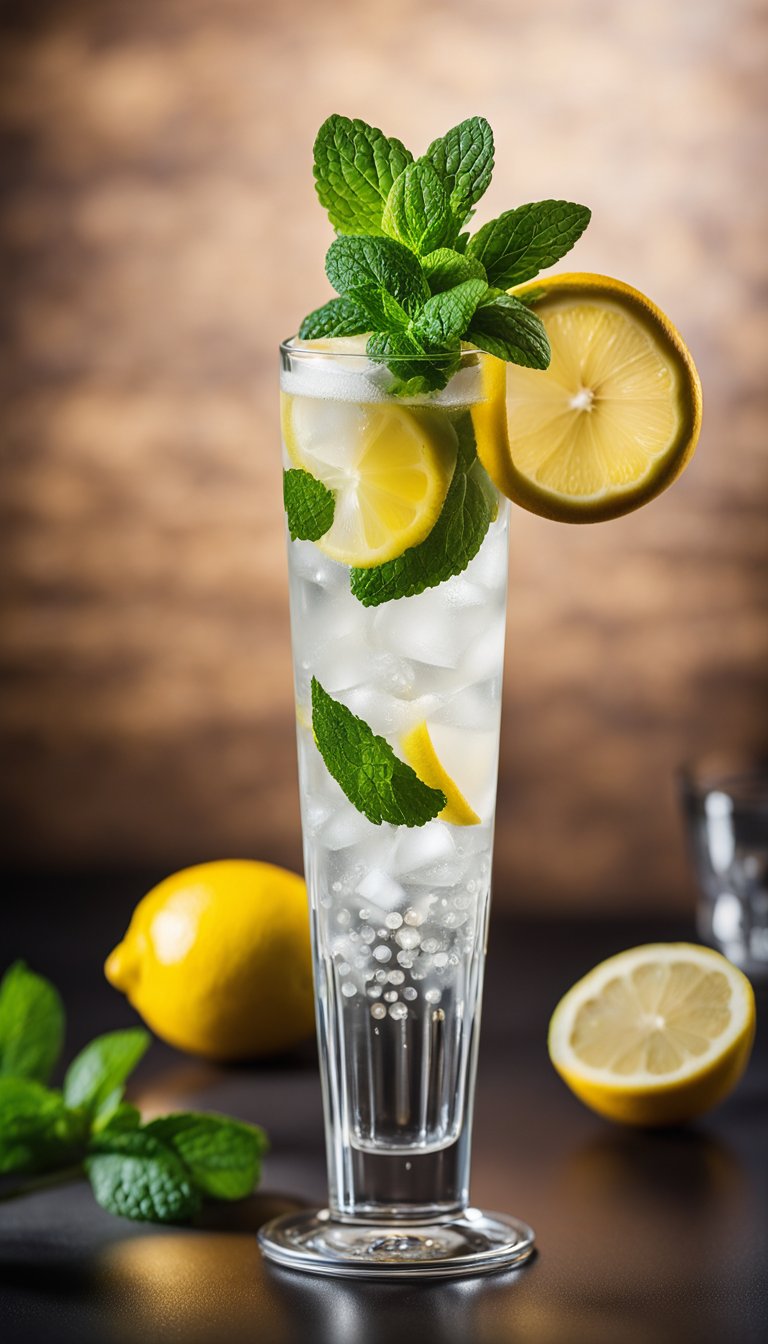
Strategies to be Successful at the EU and UK Alcohol-Free Spirit Market
Section 4: Understanding the Competitive Landscape
With the EU as well as the UK liquor-free market continue to expand and expand, it’s essential for companies to stay ahead of the competition efficiently. In this section we’ll discuss ways and methods to ensure your business’s image is maintained in this ever-changing and packed market.
1. Product Innovation
In a world flooded by options, product innovation can be your ally. Continuously research and develop new flavors and product lines to impress consumers. Test out new ingredients and mixes that stand apart. Try incorporating herbs, botanicals, and exotic fruits to create distinctive, memorable and uniquely alcohol-free cocktails.
Pro Tips Conduct surveys among consumers and gather feedback to understand how they feel and what their needs are. This information can be used to tailor your efforts to develop products.
2. Brand Differentiation
Being different in a fierce industry requires you to have a strong brand story and a distinctive identity. Demonstrate what makes your company distinctive and the reason consumers should choose your alcohol-free spirits in preference to others. Emphasize factors such as your commitment to quality, sustainability, and ethically sourced products.
Pro Tips Make a compelling brand story that resonates with the target audience. Share stories about your brand’s mission, values, as well as the process behind your products.
3. Collaborations and Partnerships
Collaborations can give you a new perspective and broaden your reach. Collaborate with bars, restaurants and mixologists to develop drinks that are unique and alcohol-free using your products. These partnerships will expose your brand to a wider market and benefit from the knowledge of industry experts.
Professional Tip When working together, ensure that your brand values align to those of your partner to create authentic and relevant connections.
4. The Digital Marketing industry and E-commerce
A strong online presence is an absolute requirement in today’s marketplace. Create a user-friendly website and make it more optimized for online shopping. Make use of social media platforms for interaction with your target audience to share interesting cocktail recipes as well as run targeted ad campaigns.
Pro Tip Utilize data analytics in order to comprehend your audience on the internet better. Make sure your content and marketing strategies to cater to their preferences and behaviors.
5. Consumer Education
Making consumers aware of the benefits and versatility of alcohol-free spirits is a crucial part. Write informative blogs, webinars, as well as social media. Offer virtual tasting events to showcase your product. An informed consumer is more likely to recognize how valuable your offerings.
Pro Tips Create FAQs and guides to answer questions asked by consumers frequently about spirits that are alcohol-free. Make use of these guides as resources to help customers make informed choices.
6. Sustainability and ethical practices
The public is increasingly aware of the ethical and sustainable practices they use. Make sure you are sourcing ingredients from reputable sources, reducing the carbon footprint, and supporting charitable efforts. Show your commitment to sustainability through your brand.
Pro Tip Do share your sustainability goals in a transparent manner on your site and on social networks. Transparency can build trust with consumers.
What’s In Store
In the fourth section we’ve covered the most important strategies for navigating the market’s competitive landscape. EU and UK alcohol-free spirit markets. But the journey doesn’t end with this section. In the next part, we’ll delve into the long-term growth strategies of the industry and look into what the future holds for this vibrant industry.
As we conclude Section 4, we’ll explore our understanding of the EU and UK alcohol-free spirit market in Section 5. In the upcoming segment, we’ll focus on the long-term expansion prospects and trends that are shaping the industry.
Section 5:”The Future” of the EU and UK alcohol-free spirit Market
The trip through the exciting realm of alcohol-free spirit within these countries of EU and UK is concluded with our final section. In this section we’ll glimpse into the future and investigate the long-term prospects for growth and emerging trends which are shaping the direction in this fast-growing industry.
The market is growing ever more
As we’ve observed in the previous sections of this article, the alcohol free spirit industry in both the EU and UK has seen a rapid growth in the last few years. The need for high-end, alcohol-free alternatives is no only a trend anymore, but a fundamental shift in consumer preferences. This trend is likely to continue its upward trajectory.
The Key Drivers of Growth
The following factors have contributed to the sustained growth of the alcohol-free spirit market:
-
Health and Wellness as consumers become conscious of their health, they are seeking alternatives that let them enjoy cocktails and mixed drinks with no negative consequences of alcohol.
-
Innovative Products: The market will witness an influx of constantly changing and varied alcohol-free spirit products. Brands will investigate new flavor profiles and ingredients, and production methods.
-
Mixology Culture The growth of mixology culture or craft cocktail is fueling the demand for high-end alcohol-free spirits. Bartenders and mixologists are crafting intricate non-alcoholic concoctions, further getting these drinks into the spotlight.
-
Sustainability: Sustainable and ethical practices are increasing in prominence. Brands that focus on sustainability in packaging, ingredient source, and production will gain an advantage.
Consumer Education and Awareness
The future of the market for alcohol-free spirits depends on the level of education that consumers receive. As more and more consumers become aware of the choices offered, they’ll look for information about how to utilize spirits with no alcohol in cocktails, accompany them with food and integrate these into their lifestyles.
FAQs about Alcohol-Free Spirits
Q1 Is alcohol-free liquor truly alcohol-free?
A1: Alcohol-free spirits contain zero or extremely little alcohol, usually less than 0.5% ABV (alcohol as a volume). This makes them unfit for consumption, and they do not have the intoxicating effects associated with alcohol beverages.
Q2: How do I make alcohol-free spirits work in cocktails?
A2: Alcohol-free spirits can be used as the base of cocktails, similar to traditional spirits. They can be used in classic cocktails such as Mojitos, Cosmopolitans, and Negronis. They encourage experimentation to develop unique drinks that are not alcoholic.
Q3 Do alcohol-free spirits taste similar to their alcohol-based counterparts?
A3 Many alcohol-free spirits seek to mimic the flavors in traditional spirits. While some seem to be very close however, the taste of different brands and products. It’s best to explore different options to find the flavors you enjoy.
Role of Technology Role of Technology
Technology will play a crucial position in the future development of the industry. E-commerce and online sales will continue to increase by providing customers with an easy option to purchase alcohol-free spirits. Experiences with brands, online tastings, and personalized suggestions powered by AI will increase the level of engagement with customers.
Conclusion: A thriving Future
In this series, we’ve explored the diverse and dynamic terrain of the EU and UK alcohol-free spirit market. From its beginnings and past to new product development, commercial strategies, as well as the marketplace, we’ve revealed the details of this expanding industry.
As we close this journey, it’s clear that the market for alcohol-free spirits is not just a trend and is a trend that is changing our perception of and consume beverages. With a focus on quality, innovation, sustainability, and consumer education Brands can flourish on the horizon of this new market.
Thank you for coming along on this trip through an alcohol-free world. Whether you’re a brand looking for a way to differentiate yourself or a consumer in search of unique and satisfying options There’s a lots of possibilities in this vibrant industry.
We hope that you find this series interesting and inspiring. Here’s to the future of spirit that is alcohol-free in the EU as well as the UK!
Leave a Reply