In recent times, the European Union (EU) and the United Kingdom (UK) have witnessed an astonishing increase in the market for non-alcoholic vodka. This trend is changing the drinks industry as more consumers are opting for alcohol-free alternatives without compromising on the core essence of their favorite spirits. In this exhaustive exploration this article, we’ll go deep into the world of alcohol-free vodka, understanding what it is and why it’s becoming extremely popular.
What exactly is Non-Alcoholic Voldka?
Non-alcoholic vodka, often described as “alcohol-free vodka” or “spirit alternative,” is a beverage intended to mimic the taste and aroma of traditional vodka without the alcohol content. It’s made using a mixture of botanicals, herbs as well as other flavors that replicate the taste and characteristics of traditional vodka. The result is an alcohol drink that delivers the typical vodka taste without the intoxicating effects.
The Attraction of Non-Alcoholic Vodka
The surge in interest in non-alcoholic vodka is due to various factors. First, the health and wellbeing trends that are taking over the EU and UK has prompted people to make more informed choices with regards to their drinks. Non-alcoholic vodka is in perfect alignment with these trends, allowing people to enjoy the tastes of vodka without the negative health impacts associated with drinking alcohol.
Furthermore, the younger generations that include Millennials as well as Generation Z, are driving this trend. These demographic groups are more aware of their health and increasingly opting for alcohol-free options. Therefore, non-alcoholic vodka is now the preferred option for a growing segment of the populace.
Recent market reports support this trend. Recent market data show an increase in demand for spirits without alcohol, including vodka substitutes. Consumers are actively seeking out these drinks, both in shops and online, looking for good alternatives to traditional alcoholic beverages.
While we continue our journey, we’ll delve deeper into the factors driving the growth of non-alcoholic vodkas in the EU as well as the UK. In the next section we’ll discuss the important part played by health and fitness trends in the rise in popularity of this unique spirit alternative.
The Appeal of Non-Alcoholic Vodka
The appeal to non-alcoholic booze is multifaceted and resonates with consumers who are more conscious of their health and aware of their drinking lifestyles. Let’s take a deeper look at the reason this trend is catching on.
Well-being and Health Trends
The movement for health and wellness has grown significantly in recent years. Consumers are becoming more conscious about the consequences of their choices in the way they eat and the drinks they drink. This has resulted in significant changes in taste, with many individuals seeking alternatives that let them have the flavor they like without compromising their health.
Non-alcoholic vodka matches perfectly with this health-focused approach. It’s a viable option of those who want enjoy the flavor of vodka cocktails, without the harmful impact on their health that comes with drinking alcohol. This trend has various types of customers whether fitness-minded people looking to stay active to individuals simply looking to make more health-conscious choices.
Statistics and Data
Recent surveys and market research across markets across the EU and UK have revealed the growing enthusiasm for spirits made of alcohol that is non-alcoholic. Consumers are not only looking for these products, but are actively incorporating them into their lifestyles. Research shows a steady rise in sales and consumption of spirits and vodka that is not alcoholic as well as other alternatives.
In the following part next section, we’ll analyze how the shifting consumer tastes, especially in younger generations, have contributed to the increasing popularity of non-alcoholic vodka in the market.
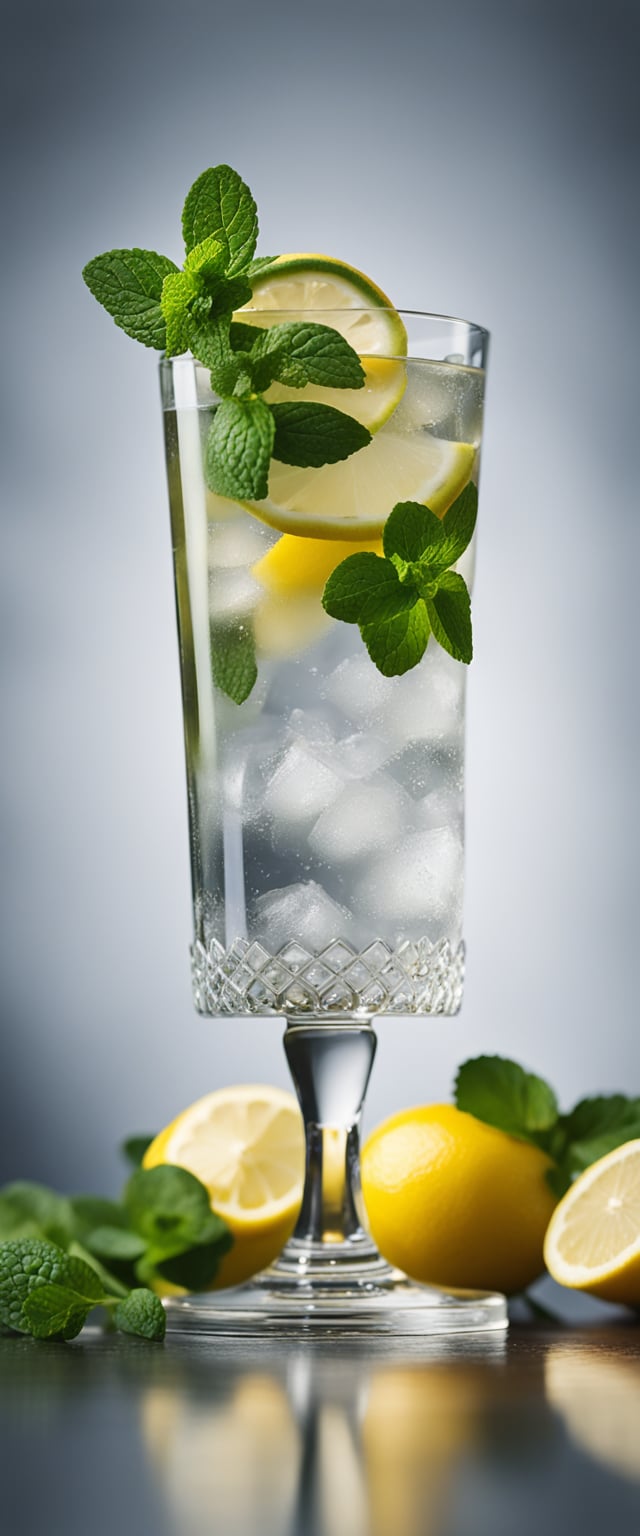
Non-Alcoholic Vodka: a Game-changer for health-conscious consumers
In the previous section we looked into the realm of alcohol-free whiskey, delving into the reasons behind why it’s getting huge traction in Europe, the European Union (EU) and the United Kingdom (UK). As we continue to explore the nuances of this intriguing trend, we’ll shift our attention on the factors that are driving the popularity of non-alcoholic whiskey across these two regions. Particularly we’ll focus on how important lifestyle and wellness in the growing popularity of this distinct spirit option.
Revolution in Health and Wellness Health and Wellness Revolution
The rising popularity of non-alcoholic spirits throughout the EU and UK is largely due to the wellness and health revolution that’s taking over the drinks industry. Generation Z and Millennials are the most popular consumers. Generation Z, are increasingly conscious of their health and making more mindful decisions about their drinks.
A Healthier Alternative
Non-alcoholic vodka offers a great alternative for those who wish to experience the flavor that vodka has without the adverse health effects associated with alcohol consumption. This fits perfectly with wider trends in wellness and health that have people looking for alternatives that let them have fun without compromising their wellbeing.
Active Lifestyles and Fitness Enthusiasts
for those who are dedicated to maintaining a vigorous lifestyle non-alcoholic vodka is a game changer. It fulfills the requirement to drink a beverage that is compatible with their fitness-oriented routines. If it’s a post-workout party or a refreshing drink to enjoy during a wellness event, non-alcoholic vodka is the best choice.
Wellness-Driven Consumers
People who are concerned about their health are actively incorporating non-alcoholic spirits in their daily diets. This segment of the population considers it a positive choice that supports their overall health and helps to achieve their goals for wellness. Because alcohol isn’t present, it makes it a safer and more appealing option when you want to enjoy the pleasure of drinking vodka-infused cocktails.
Market Statistics Reconfirm the Trend
The market data for the EU and UK shows the increase in popularity of spirits made without alcohol, such as vodka-based alternatives. Statisticians have shown a consistent upward trajectory in sales and consumption of these beverages. This data substantiates the notion that health and wellness are major factors driving the increase in non-alcoholic vodka.
In the coming section, we’ll examine the shifting preferences of consumers especially among the younger generation and how these choices are influencing the shift in market structure. Understanding these changes is key for understanding the greater implications of this shift.
The changing landscape of consumer preferences
In recent the past few years, there’s significant changes in consumer preferences, particularly in younger generations. Millennials along with Generation Z are at the forefront of this revolution and are redefining what it means to consume drinks.
Mindful Consumption
These younger consumers are more cognizant of their alcohol consumption. Many have witnessed the effects on their drinking habits from older counterparts and have resolved to avoid the same dangers. They’re looking for alternatives to alcohol that allow them to enjoy parties without the negative effects of drinking alcohol.
The Experience Economy
Another major shift is the emergence of the “experience business.” Generations that are younger prefer experiences over possessions. Going out and having fun doesn’t necessarily involve alcohol. Instead, they’re looking for novel experiences, and non-alcoholic vodka fits perfectly into the story.
“The Rise of Mocktails
Mocktails, or non-alcoholic cocktails are gaining huge popularity among younger consumers. These elegant drinks, which are alcohol-free, are not just a substitution for traditional cocktails, they can be considered a unique and enjoyable experience all in their own right.
What’s Next?
As we’ve seen it’s been observed that wellness and health-related trends as well as evolving consumer preferences have led to the growth of non-alcoholic vodka across the EU as well as in the UK. In the next article we’ll discuss the economic effects of this trend as well as its effect on the industry of drinks and the potential for innovation and growth.
Wholesale Opportunities Await: Order Direct from Swedish Distillers for Premium Non-Alcoholic Spirits!
The Economic Effects of Non-Alcoholic Vodka as a Market that is Growing
In our travels through the universe of non-alcoholic vodka we’ve explored the history behind this fascinating trend as well as uncovered the role of health & well-being in its rise in market segments like EU as well as UK markets. In the next installment in our series, we dive into the business consequences of the non-alcoholic vodka phenomenon.
One Market that is On the Rise
The market for non-alcoholic vodka within the EU and UK is far from being a niche trend. It’s a growing market segment that has attracted the attention of the public as well as industry players. Let’s take a closer look at how this sector can impact the economy.
Surging Sales
The sales of non-alcoholic vodka are steadily increasing in recent years, which suggests a thriving and growing market. It’s not a short-lived trend, it’s a long-lasting market that reflects the consumer’s shift in preferences. The economic impact of this growth is considerable, contributing to the overall revenue in the sector of spirit.
Expansion of Consumer Base
Non-alcoholic vodka has widened the range of spirits available to consumers. It appeals to not only those who wish to stay away from alcohol but also customers who seek a wide selection. This growing of the consumers base translates into a growing markets and, consequently creating a positive economic effect.
Investment and Innovation
The growing popularity of non-alcoholic alcohol has driven organizations to increase their investment in research and. They’re trying to come up with innovative products that appeal to the consumer’s discerning taste. This investment in innovation doesn’t only drives product quality but also spurs an increase in business growth within the beverage industry.
Employment Opportunities
As the market grows also the demand for skilled labor in various sectors of the business. From production and distribution to sales and marketing the growing popularity of non-alcoholic vodka can create employment and also contributes to job growth.
environmental Considerations
Non-alcoholic production of vodka typically has lesser carbon footprint compared to traditional production of vodka, where fermentation and distillation are involved. This is in line with the increasing ecological concern and makes non-alcoholic alcohol an attractive choice for eco-conscious customers.
What Lies Ahead
As we’ve seen, the economic effect of non-alcoholic liquor in the EU and UK is substantial and multifaceted. The market is growing, sales are surging and is creating employment opportunities and also aligning with sustainability objectives. In the next segment we’ll take a look at how the trend of non-alcoholic vodka is driving innovation along with what the consumer can expect in terms both of product variety and quality.
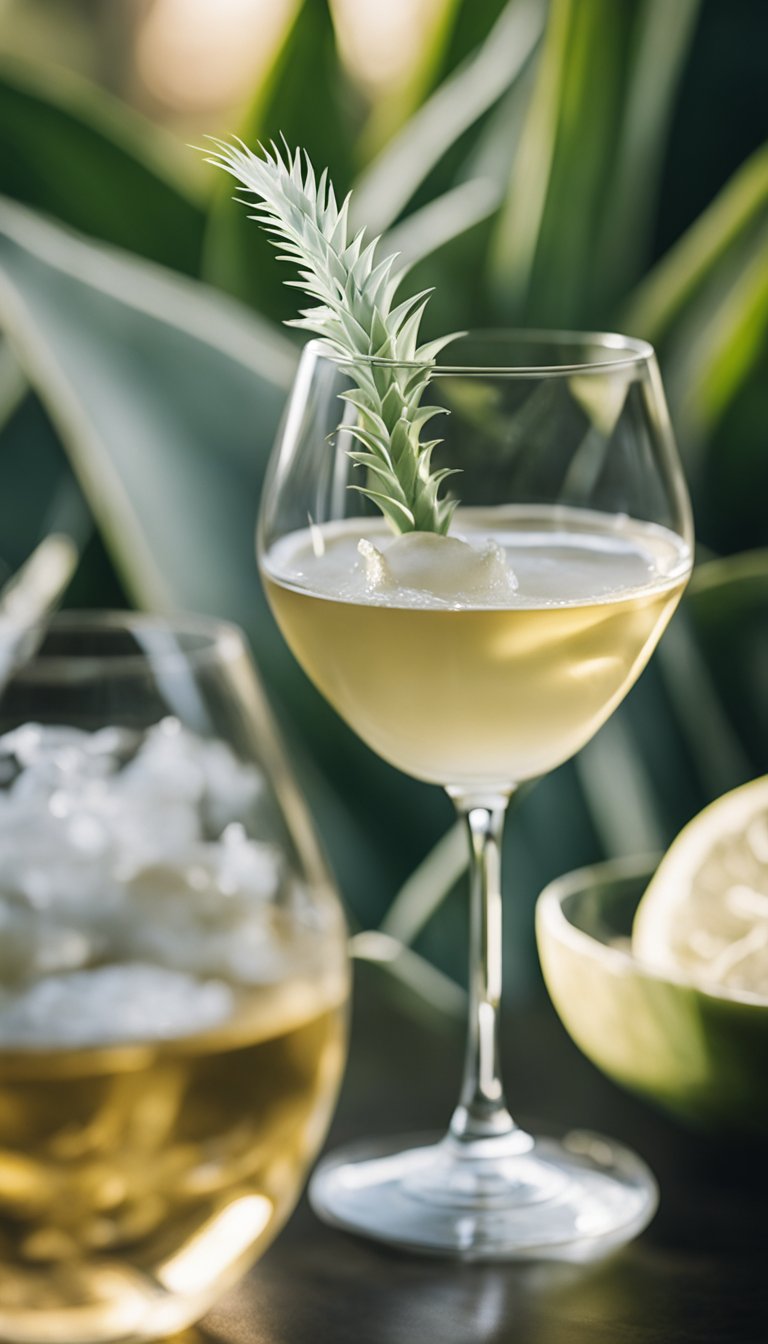
Developments and innovations within Non-Alcoholic Vodka: What’s on the Horizon
In our examination of the non-alcoholic vodka market, we’ve examined its history and dissected the effects on wellness and health-related trends and studied its economic implications. Now, in the fourth portion of our series we explore the world of innovation and discuss what could be in store for future developments within this fascinating area of industry.
Designing Innovative Solutions
One of the most impressive aspects of the new trend for non-alcoholic spirits is the ongoing pursuit of producing unique alternatives to traditional alcohol-based spirits. We take a look at the world of innovative spirit that’s shaping the non-alcoholic vodka market.
Advanced Distillation Techniques
Master distillers are experimenting with advanced distillation techniques which permit them to make spirits that are non-alcoholic with unique aromas and flavors. These methods involve the removal from alcohol while maintaining what is essential to the ingredients and grains that are traditionally used to make vodka.
Flavor Diversity
Non-alcoholic vodka doesn’t have to be limited to the taste in traditional vodka. It’s evolving into an entirely new genre of its very own, featuring flavors that go far beyond that of the typical vodka profile. You can expect a variety in flavors, ranging from fruity infusions to herbaceous blends.
Transparency and authenticity
The public is increasingly looking for transparency and authenticity in their drink choices. Newcomers in the non-alcoholic vodka sector are responding by offering complete information on the source processes, production methods and ingredients, making sure that consumers know exactly what they’re drinking.
Sustainable Practices
The environmental-conscious movement has swept into the spirit industry, the non-alcoholic spirits are leading the way. Sustainability practices, such as using organic ingredients, and utilizing eco-friendly packaging are becoming standard in this segment.
To meet the demands of consumers
The development of market for non-alcoholic vodka isn’t only driven by a desire to find new ideas. It’s heavily rooted in satisfying the changing demands of consumers looking for better alternatives for their health, flavor preference, and ethical standards.
Health and Wellness
The public is becoming more health conscious, and this is reflected in their drinking habits. Non-alcoholic vodka, due to its lower calorie count and absence of alcohol, is in perfect alignment with the wellness and health movement.
Lifestyle Choices
With more and more people embracing a sober or low-alcohol lifestyle alcohol-free vodka can be an appealing option. Whether it’s for designated drivers, pregnant individuals, or people who want to take an evening out without the high, non-alcoholic vodka appeals to all kinds of lifestyles.
Social Responsibility
Responsible drinking of alcohol is a growing global issue. Non-alcoholic vodka is a concrete evidence of social accountability, giving users to take part in social gatherings and not suffer from the negative side effects of alcohol.
What Lies Beyond
In the next section of this series, we’ll look at the impact of non-alcoholic vodka on consumers’ choices and the beverage industry in whole. We’ll dive deeper into the changing preferences of consumers and what impact they have on the market.
What’s the Future of Non-Alcoholic Spirits: A Five-Part Journey
Through this series of five parts, we’ve travelled through the world of non-alcoholic drinks, specifically exploring the fascinating world of non-alcoholic vodka. From its origins in the past to the exciting future ahead We’ve examined a variety of aspects that make up this expanding sector. As we wrap up this series it’s time to reminisce about our journey and discuss the future of nonalcoholic spirits.
Part 1: A Look into the Past
In the initial part in our series we delves into the background of non-alcoholic spirits and their earliest origins. We learned that the concept of alcohol-free alternatives to traditional spirits isn’t quite as revolutionary as it might seem. It was whether it was for medicinal purposes or simply as an alternative drink option the non-alcoholic spirit has been in the culture of humans for a long time.
Part 2: Health and Wellness Trends
In the final installment, we explored how health and lifestyle trends have changed the industry of drinks, such as the rise in non-alcoholic alcohol vodka. We discussed the changing attitudes toward alcohol, the need to make healthier choices, and the effect of these changes on the choices of consumers.
Part 3 The Economic Implications
The trip continued with an in-depth look at the economic implications of the market for non-alcoholic spirits. We explored the reasons behind the market’s growth, including the increasing number of consumers and the inflow of money into this sector. We also analyzed the possible challenges and opportunities ahead.
Part 4: Innovative Concepts in Non-Alcoholic Vodka
The fourth installment of our series ventured into the realm of innovation in nonalcoholic vodka production. We explored advanced distillation techniques, the diversity of flavors along with transparency in production and sustainability practices changing the direction of this industry.
Fifth Part: What Lies Beyond
In this concluding chapter, we will look into the future of non-alcoholic spirits. As the market continues evolving certain key events and trends are expected be influencing its direction.
In-Change Consumer Preferences
Consumers are becoming increasingly discerning and aware of their health. The requirement for non-alcoholic liquors that are in line with their preferences is predicted to increase. You can expect to find a greater assortment of flavors and flavours catering to diverse tastes.
Ethical and Environmental Considerations
Environmental sustainability and ethical sourcing are no longer a luxury within the beverage industry. Spirit brands that do not contain alcohol and embrace these ideals are likely to prosper, and customers will increasingly favor products which adhere to these principles.
Expanding Market Reach
The non-alcoholic spirits market will continue to grow beyond small-scale consumers. With more people seeking alternatives to traditional alcoholic drinks because of various reasons, the market will expand to serve a broader demographic.
A Journey Continually Experiencing
Our exploration of non-alcoholic spirits has provided a glimpse of a fast-growing industry. As we conclude this series, we can see that this journey is far from being over. Non-alcoholic spirit’s future presents exciting possibilities, and we’ll continue to investigate them.
Conclusion
This is the case for non-alcoholic spirits. spirits, particularly non-alcoholic vodka, is experiencing growth driven by shifts in consumer tastes, innovative practices and ethical considerations. As we conclude this five-part series, we’re reminded this trend is not over and that the future is packed with potential. No matter if you’re a skeptic or an enthusiastic consumer, keep an eye out for the exciting advancements that are coming up within the realm of alcohol-free spirits.
Leave a Reply